

striped frosted glass
How to Turn Off the Main Water Valve A Step-by-Step Guide If you're a homeowner, understanding how to turn off your main water valve is an essential skill. This knowledge can save you from significant damage in case of plumbing emergencies, such as a burst pipe. While it might seem daunting, turning off the main water supply is a straightforward process. In this article, we’ll walk you through the steps to safely shut off the main water valve in your home. Why You Might Need to Turn Off the Main Water Valve There are several situations in which you may need to turn off the main water valve 1. Plumbing Repairs If you’re planning to perform plumbing repairs or installations, you will want to shut off the main supply to prevent water from leaking or causing flooding. 2. Pipe Leaks In an emergency situation, such as a burst pipe, turning off the valve can help control the damage until you can make arrangements for repairs. 3. Home Renovations Before starting any major renovation work that might involve plumbing, it’s advisable to turn off the water supply. 4. Vacation Prep If you’ll be away from home for an extended period, turning off the main water valve can help prevent potential leaks or water damage. Locating Your Main Water Valve Before you can turn off the main water supply, you need to locate the main water valve in your home. Typically, this valve is found near where the water line enters your house. Here are common locations - Basement If your home has a basement, the main water valve is usually located near the front foundation wall. - Crawl Space For homes on a slab or with a crawl space, look for the valve close to the exterior wall. - Garage In some cases, the main valve might be located in the garage, especially if that’s where the water line enters the house. how to turn off main water valve The valve is often a round or oval-shaped knob or lever, and it may be made of metal or plastic. Steps to Turn Off the Main Water Valve Now that you’re ready to turn off the main water valve, follow these steps 1. Prepare Before you start, gather any necessary tools such as a wrench, if the valve is stuck, and have towels ready in case of any spills. 2. Turn Off the Valve - If you have a gate valve (the round knob type), turn it clockwise (right) until it stops. This type of valve requires multiple turns to close completely. - If it’s a ball valve (the lever type), simply turn the lever a quarter turn so that it is perpendicular to the water line. 3. Check for Water After turning off the valve, run a faucet to check if the water supply has been successfully turned off. If water still flows, ensure you’ve turned the valve completely. 4. Drain the Lines To relieve pressure and ensure all water is out of the pipes, you can turn on the highest faucet in your house. This will help drain remaining water from the pipes. 5. Perform Your Repairs Now that the main water supply is turned off, proceed with your plumbing repairs or maintenance tasks. 6. Turning the Water Back On After completing repairs, ensure all faucets are closed, then turn the main water valve counterclockwise (left) until it’s fully open. Run the faucets to clear air from the lines and check for any leaks. Conclusion Understanding how to turn off the main water valve in your home is vital for effective home maintenance and emergency preparedness. By familiarizing yourself with the location of the valve and practicing the steps to turn it off, you can protect your home from water-related disasters. Whether you’re dealing with routine plumbing tasks, preparing for an absence, or addressing an emergency, knowing how to control your water supply is essential.
about
striped frosted glass
Understanding Spline Gage Calibration A Comprehensive Guide In the realm of precision manufacturing and quality control, the importance of accurate measurement cannot be overstated. Among the various tools employed by engineers and inspectors, spline gages play a crucial role in ensuring the reliability and performance of machined components. However, to maintain their accuracy, spline gages must be properly calibrated. This article discusses the fundamental aspects of spline gage calibration, including its importance, the calibration process, and best practices to achieve effective results. What is a Spline Gage? A spline gage is a measuring tool designed to evaluate the form and dimensions of spline profiles, which are often used in mechanical components such as gears, shafts, and couplings. Splines are key features that enable the transmission of torque between two parts without the risk of slippage. Accurate measurement of these profiles ensures that the components will fit together properly, minimizing wear and enhancing functionality. The Importance of Calibration Calibration is the process of verifying and adjusting the accuracy of measurement tools against a known standard. For spline gages, calibration is essential for several reasons 1. Accuracy Regular calibration ensures that spline gages are providing precise measurements, which is critical for maintaining the quality of manufacturing processes. 2. Compliance Many industries are governed by strict regulatory standards that require regular calibration of measurement tools to ensure compliance and maintain certifications. 3. Cost Efficiency Inaccurate measurements can lead to defective products, increased waste, and higher costs. Calibration minimizes these risks by ensuring that all measurements are correct from the outset. The Calibration Process Calibration of spline gages typically involves several key steps 1. Preparation Before beginning the calibration process, it is important to gather all necessary equipment, including certified calibration standards, measurement devices, and documentation forms. The environment should be controlled to minimize factors like temperature fluctuations and vibrations that could affect measurements. spline gage calibration 2. Verification of Standards Calibration standards, which are precision tools with known dimensions, must be verified. This ensures that the standards themselves are accurate and can be relied upon for calibrating the spline gage. 3. Measurement The spline gage is then measured against the calibration standards. This may involve using a comparator or other measuring devices to assess the gage's dimensions and profile accuracy. 4. Adjustment If discrepancies are found between the spline gage measurements and the calibration standards, adjustments must be made. This may involve mechanical adjustments or recalibrating the tool to align with the standard’s specifications. 5. Documentation Once the calibration process is complete, it is crucial to document the results thoroughly. This documentation should include details of the calibration procedure, any adjustments made, and the final measurements. Proper records will help maintain compliance and provide traceability. Best Practices for Effective Calibration To achieve reliable results during spline gage calibration, consider the following best practices - Regular Calibration Intervals Establish a schedule for regular calibration based on usage patterns and industry standards. Frequent calibrations can help catch inaccuracies before they affect production quality. - Train Personnel Ensure that all personnel involved in the calibration process are well-trained in measurement techniques and aware of the importance of proper calibration procedures. - Use Environmental Controls Where possible, perform calibrations in a controlled environment to reduce the chances of external factors influencing the results. - Utilize Advanced Technologies Consider investing in automated calibration systems that can improve accuracy and reduce human error in measurement processes. Conclusion In manufacturing and engineering, the precision of measurements plays a pivotal role in product quality and functionality. Calibration of spline gages ensures that these vital tools provide accurate measurements, thus supporting high-quality manufacturing practices. By following the systematic calibration process and adhering to best practices, companies can enhance their operational efficiency, reduce waste, and maintain compliance with industry standards. Ultimately, investing in spline gage calibration is an indispensable step toward achieving excellence in manufacturing.
-

High quality industrial productsagement

High quality industrial products
View Details -

Meet the diverse needs of customers

Meet the diverse needs of customers
View Details -

Strict quality control

Strict quality control
View Details -

Top raw materials

Top raw materials
View Details -

Trusted supplier

Trusted supplier
View Details
Our application


news and information
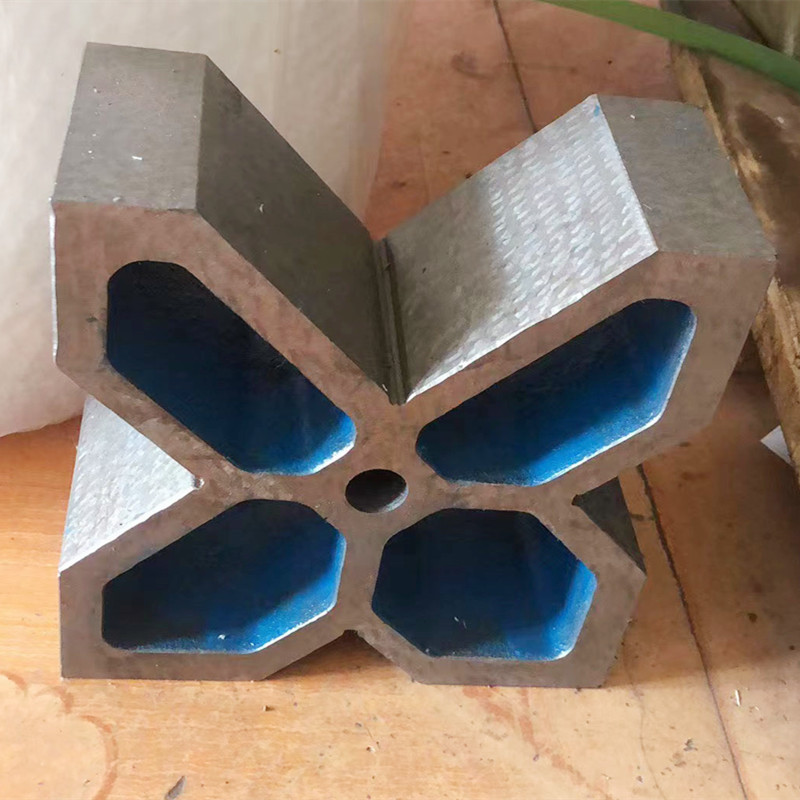
v blocks for sale
V Blocks for Sale An Introduction to a Unique Real Estate Opportunity In today’s fast-evolving real
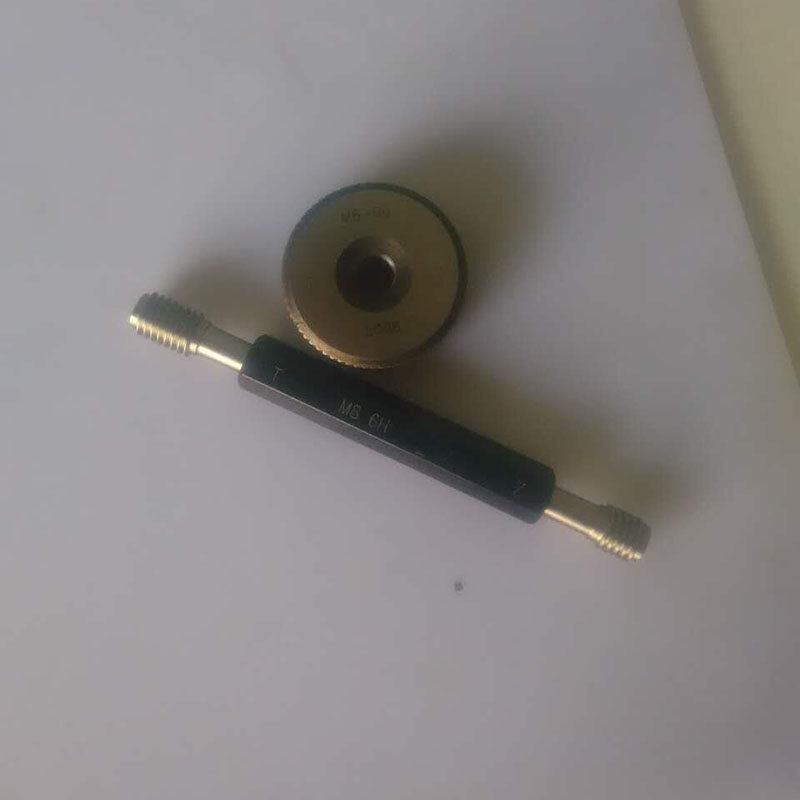
Ustawiony wskaźnik
Zestaw wskaźników pinowych – niezastąpione narzędzie w precyzyjnym pomiarze W dzisiejszym świecie, g

Wholesale Suppliers for High-Quality Ball Valves in Various Sizes and Materials
ball valves wholesale .
 English